
11 Nov
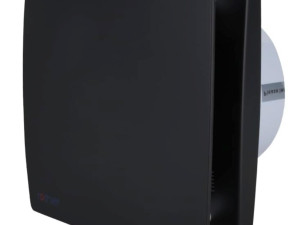
Bathroom Extractor Fan Buying Guide
Choose a bathroom extractor fan by checking the duct size, the airflow it can deliver through your duct, the controls and the electrical location. Confirm the route to outdoors and the mounting position before you buy.Check whether you are replacing a fan or planning a new routeFor a replacement, photograph the fan label, measure the accessible ope..
11 Nov
Timer or Humidity Sensor? Choosing a Bathroom Fan
A run-on timer keeps an intermittent fan running for a set time after its trigger switches off. A humidity-sensor fan responds to the moisture level around its sensor. The exact behaviour depends on the model and installation.When a timer makes senseA timer suits a bathroom with a predictable trigger, such as the light, where you want the fan to ke..
11 Nov
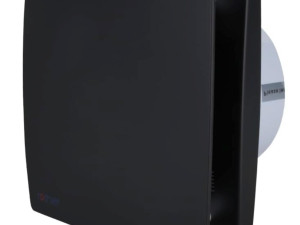
100 mm or 150 mm Bathroom Extractor Fan?
100 mm and 150 mm normally describe the nominal duct connection size. Check the existing duct and the manufacturer’s drawing before ordering. The number on the box does not tell you the size of the front cover or the airflow you will get.Measure the duct and mounting spaceAsk your installer to confirm the diameter of the duct, the wall or ceiling o..
11 Nov
Bathroom Fan Airflow: How to Read the Figures
Compare extractor fan airflow in the same units, then check the flow the fan can deliver through the actual duct. One litre per second equals 3.6 cubic metres per hour.Convert the unitsMultiply l/s by 3.6 to get m³/h. For example, 15 l/s equals 54 m³/h. Divide by 3.6 to convert the other way. This example is a unit conversion. Ask your installer wh..
11 Nov
Bathroom Extractor Fan Ducting and Placement
Start with a route that takes moist air outdoors. Then check the fan is suitable for its intended mounting position, duct run and bathroom location.Trace the route from the grille to the outletA fan on an outside wall may have a shorter route than one in the ceiling. Identify where the duct actually ends and record bends or changes in diameter. A l..
11 Nov
Choosing a Quiet Bathroom Extractor Fan
Compare decibel figures only when you know the measurement distance, operating mode and test conditions. Then ask how the fan and duct will be mounted in your bathroom.Compare like with likeA published dB(A) figure may describe sound pressure at a stated distance. Another listing may give a figure at a different distance, or a sound power figure. K..
Showing 1 to 6 of 6 (1 Pages)