
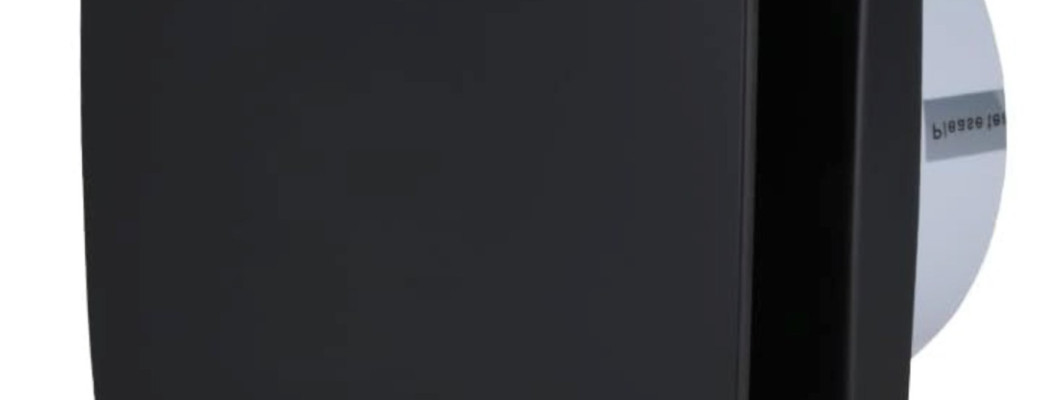
Compare decibel figures only when you know the measurement distance, operating mode and test conditions. Then ask how the fan and duct will be mounted in your bathroom.
Compare like with like
A published dB(A) figure may describe sound pressure at a stated distance. Another listing may give a figure at a different distance, or a sound power figure. Keep those distinctions in view before judging which fan is quieter.
Think about the sound you will actually hear
Air passing through a restricted grille or duct can add noise. Vibration can also travel through a wall or ceiling. Tell your installer if the bathroom adjoins a bedroom, and ask about the mounting and outlet as well as the fan.
Check the run time as well as the noise figure
A quiet fan may still be noticeable if it runs on after the bathroom is empty. Decide whether a timed run-on or automatic humidity control suits the household. Check the manufacturer’s cleaning instructions if a fan becomes noisy over time.
Frequently asked questions
What if the existing fan starts buzzing or crackling?
Switch it off and contact a registered electrician if you hear signs of arcing, smell burning or notice the circuit tripping.
For the full checklist, see the bathroom extractor fan buying guide.
Compare the 100 mm run-on timer fan and 150 mm humidity-sensor fan in our bathroom extractor fan range. Check the product specification with your installer before ordering.