
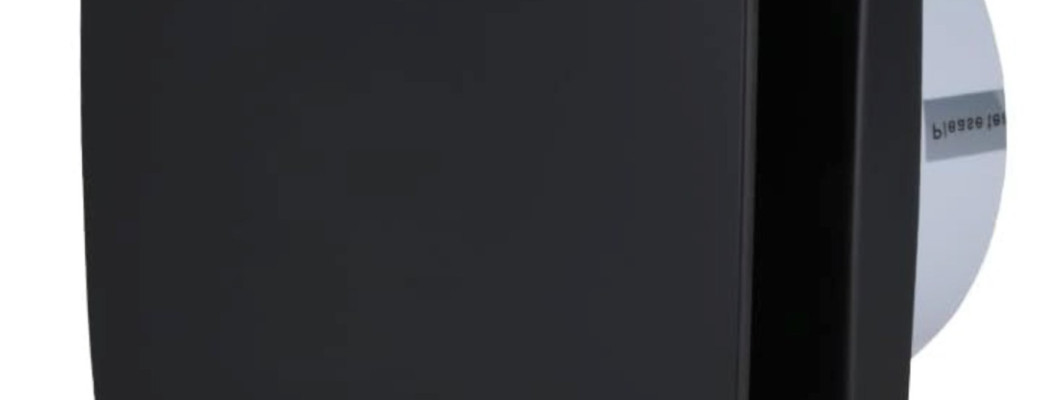
Compare extractor fan airflow in the same units, then check the flow the fan can deliver through the actual duct. One litre per second equals 3.6 cubic metres per hour.
Convert the units
Multiply l/s by 3.6 to get m³/h. For example, 15 l/s equals 54 m³/h. Divide by 3.6 to convert the other way. This example is a unit conversion. Ask your installer which ventilation guidance applies to your project.
Ask what the published figure measures
A maximum figure may describe airflow with little resistance. The installed figure can be lower if the duct is long, narrow or has several bends. Ask for the model’s performance data and whether the installer will measure airflow after fitting.
Check the ventilation system type
Intermittent extract runs when called for. A continuous system is designed to run at a background rate, often with a boost mode. These are different arrangements. Ask whether the fan is suitable for the system rather than comparing boost figures in isolation.
Frequently asked questions
Is more airflow always better?
Choose a fan that meets the room’s ventilation needs through the proposed duct. Ask about sound, how air enters the room and how the unit will be controlled.
For the full checklist, see the bathroom extractor fan buying guide.
Compare the 100 mm run-on timer fan and 150 mm humidity-sensor fan in our bathroom extractor fan range. Check the product specification with your installer before ordering.