
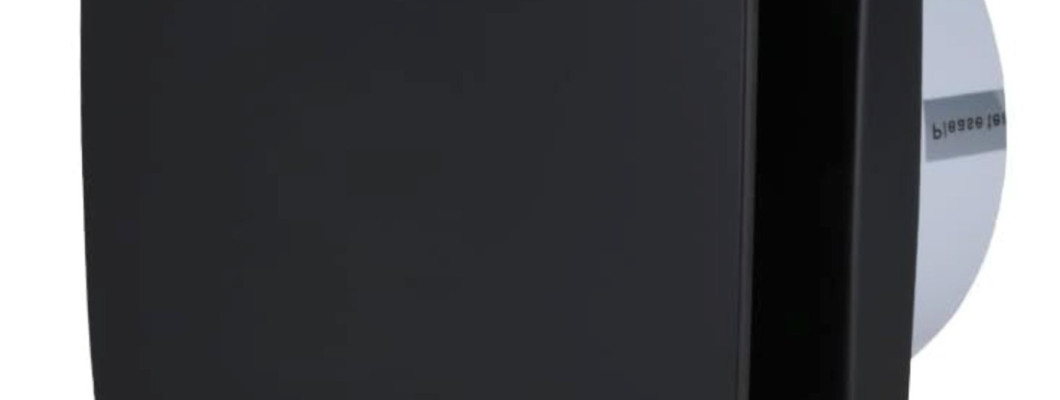
100 mm and 150 mm normally describe the nominal duct connection size. Check the existing duct and the manufacturer’s drawing before ordering. The number on the box does not tell you the size of the front cover or the airflow you will get.
Measure the duct and mounting space
Ask your installer to confirm the diameter of the duct, the wall or ceiling opening and the space for the faceplate. Measure these separately. If replacing a fan, take a photograph of the old label so the installer can check its dimensions.
Compare the installed airflow
The installed flow depends on the model and duct resistance. Ask whether the planned route, bends and outlet suit the fan. A larger connection can mean changes to the duct or opening. Decide whether those changes make sense for the room.
Decide on controls after checking fit
Once you know which size suits the installation, compare timer and humidity controls. Changing from a 100 mm timer model to a 150 mm humidistat model changes both the connection size and the way the fan operates.
Frequently asked questions
Can a reducer make any larger fan fit?
Ask the installer to check whether the fan manufacturer permits a reducer and whether the resulting duct can deliver the required airflow.
For the full checklist, see the bathroom extractor fan buying guide.
Compare the 100 mm run-on timer fan and 150 mm humidity-sensor fan in our bathroom extractor fan range. Check the product specification with your installer before ordering.