
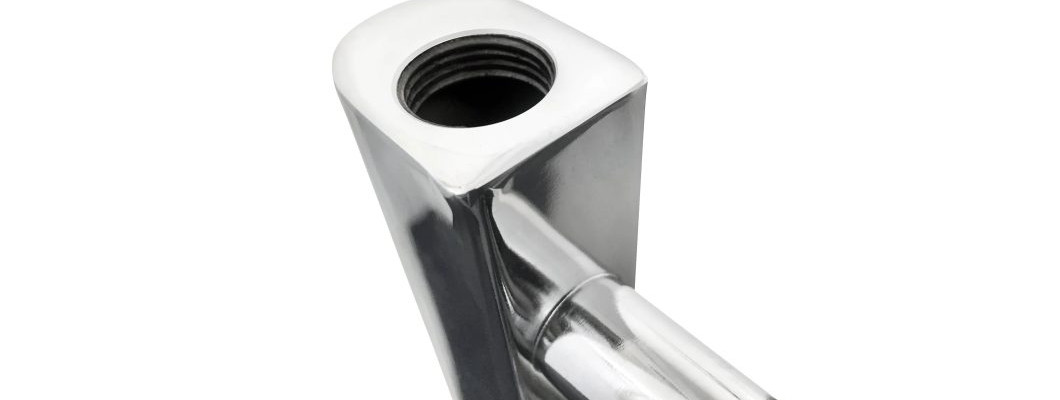
If the lower bars of a central heating towel radiator warm up but the top stays cold, trapped air is a likely explanation. Check whether it is a water-fed rail and whether that pattern persists after the heating has had time to warm up.
When bleeding is a reasonable first step
Use the instructions for your radiator and heating system. Switch the heating off and wait for the rail and pipes to cool fully. If the manufacturer identifies a user-operated bleed screw, use the specified key or tool and protect the wall and floor with a cloth. Open the screw only slightly, then close it gently when water starts to flow steadily. Stop if the fitting is seized, damaged or leaking.
Afterwards, check the cold pressure if your system has a gauge. Use your boiler manual to decide whether any adjustment is needed. If the pressure keeps dropping, ask an engineer to investigate the cause.
What the result tells you
If you heard air escape and the upper bars warm on the next normal heating cycle, that supports the trapped-air explanation. If water appeared straight away and the same section stays cold, record the pattern and ask about circulation. A problem that returns soon after bleeding is useful information for an engineer. Check our towel radiator troubleshooting guide for other patterns.
Frequently asked questions
Can I bleed the rail while it is hot?
Switch the heating off and let the rail and pipes cool fully first. Water escaping from a hot radiator can scald.
What if water keeps coming from the bleed point after it is closed?
Keep the heating off and arrange a repair. Follow the leak guide if water is spreading.
For other symptoms, see the complete towel radiator troubleshooting guide.