
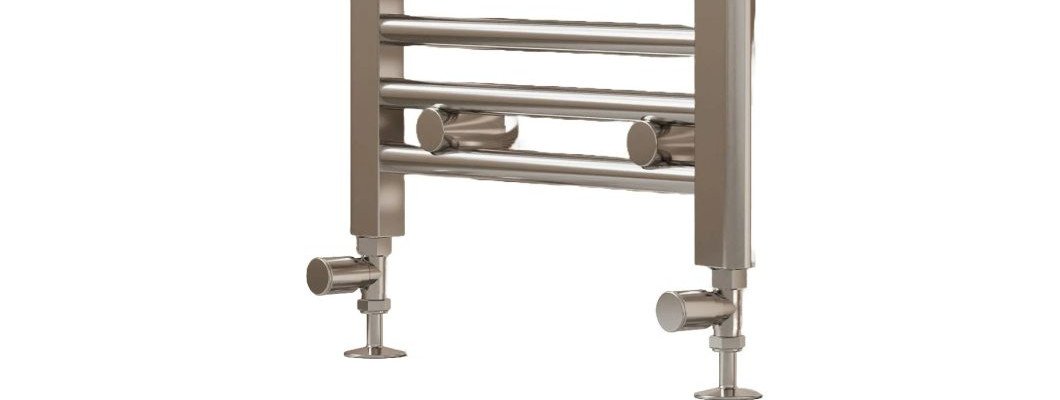
If you can see water dripping from a towel radiator, switch off the affected heating and let the rail cool. Keep people away from hot water and protect the floor if you can do so safely. If water is near an electrical connection, avoid touching the rail, its controls or the wet area. Get urgent professional help if water is spreading or near electrics.
Follow the moisture once the area is safe
Condensation often appears across a cold surface after a bath or shower. A leak tends to leave a recurring wet point or track, often around a valve joint, an air vent, a blanking plug or the rail body. On a cool, safe water-fed rail, dry the outside and look for where moisture first reappears. Water can run down a tube and drip far from its source, so check above the visible drip.
What the location means for the repair
A weeping connection may need attention to a valve or fitting. Water emerging from a weld or the metal body calls for assessment of the rail itself. Take a photo and note whether the leak happens only while heating. On a sealed system, report any repeated pressure drop. Avoid trying to stop a leak by forcing fittings tighter.
Frequently asked questions
Can I keep using a rail that is dripping slowly?
Keep the affected heating off until you have advice on the leak. Even a slow drip can damage flooring and may indicate a bigger problem.
Does a leaking valve mean I need a new rail?
A valve or joint may be repairable. If the body is leaking or visibly corroded, read our repair or replace guide before choosing a replacement.
For other symptoms, see the complete towel radiator troubleshooting guide.